


 English

솔리드 구리 버스바
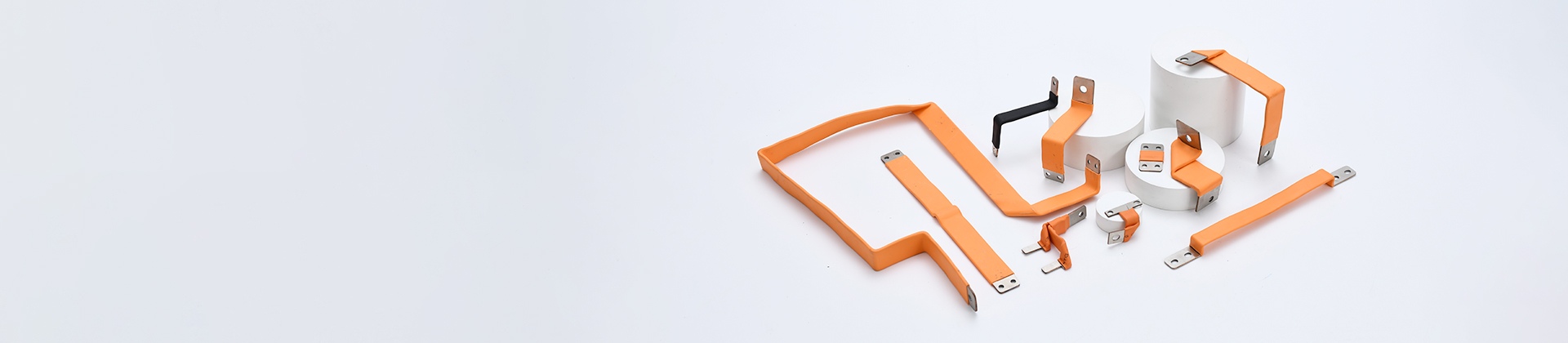
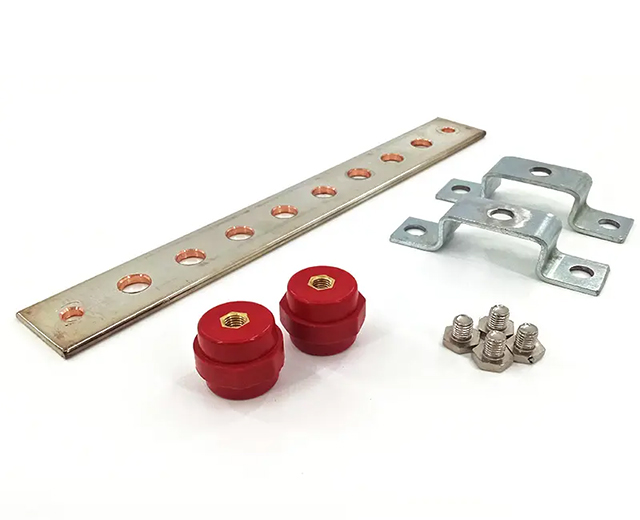
구리 접지 버스바는 용도에 따라 솔리드형, 중공형, 평면형, 원형 등 다양한 형태로 제공됩니다. 표준 크기는 25mm × 3mm 스트립부터 고강도 150mm × 15mm 바까지 다양합니다. 이러한 버스바는 중앙 접지 노드 역할을 하며, 여러 단자를 지원하는 동시에 접지 전위 상승을 최소화합니다.
특수 설치의 경우, 맞춤형 구멍 패턴, 장착 옵션 및 절연체 구성을 갖춘 맞춤형 구리 접지봉도 제공합니다.
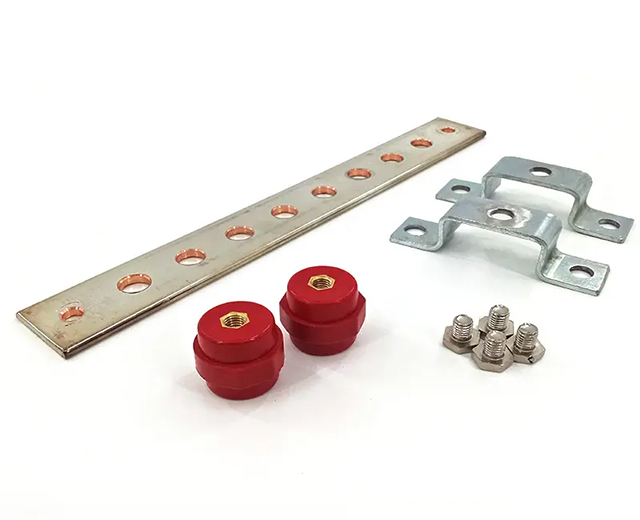
높은 전도성: 순도 99.9% 이상의 순수 구리는 58ms/m 이상의 전도성 또는 100% IAC를 제공하여 접지 용도에서 강철이나 알루미늄보다 훨씬 뛰어난 성능을 발휘합니다.
열 안정성: 효율적인 열 방출을 통해 높은 전류 부하(예: 100mm × 10mm의 경우 1600A)에서도 연속 작동을 지원합니다.
내식성: 실내용으로는 도금되지 않은 구리 접지봉, 해양, 연안 또는 화학 환경용으로는 주석 도금된 구리 접지봉으로 제공됩니다.
기계적 강도: 고경도 인발봉은 최대 350MPa의 항복 강도를 제공하여 단층 발생이나 기계적 응력 하에서 변형에 저항합니다.
맞춤형 옵션: 당사의 구리 접지 본딩 바는 사전 드릴링, 은/주석 도금 또는 분리 링크를 장착할 수 있어 빠른 통합에 이상적입니다.
substations & transformers
use heavy-section copper grounding busbars (e.g., 100mm × 12mm) to conduct fault currents up to 63ka for 3 seconds safely to ground.
data centers & telecom
our copper earth bars with insulators are used to bond racks, panels, and equipment, minimizing voltage differences and ensuring compliance with tia-607-b.
industrial facilities
copper busbars provide clean, secure earth reference points for machinery and control cabinets—frequently installed as copper earthing strips along cable trays.
solar & wind energy systems
in renewable installations, tinned copper earth busbars offer lightning protection and ground continuity across combiner boxes, inverter stations, and metal frames.
marine & outdoor installations
saltwater-resistant bare copper earth bars or tinned versions with sn96.5-cu coatings provide reliable corrosion protection on ships, rigs, and ports.
견고한 결합을 위해 항상 적절한 토크(예: M10의 경우 20~25nm)로 조인 볼트를 사용하고 접촉 강화제를 첨가하십시오.
필요에 따라 구조물 접지로부터 절연하기 위해 절연체가 있는 구리 접지봉을 비전도성 스탠드오프에 설치하십시오.
응력 파손을 방지하기 위해 성형 철근의 최소 굽힘 반경은 두께의 5배 이상이어야 합니다.
분기별: 변색, 볼트 풀림 또는 과열 징후에 대한 육안 검사
매년: 접촉 저항 점검(목표) <50μΩ); ground resistance measurement (target <1Ω)
surface cleaning: use alcohol wipes for light oxidation or 5% citric acid for deeper cleaning; follow up with antioxidant treatment
replacement: required if corrosion reduces cross-section by over 10% or resistance remains high after treatment
| product name | description |
|---|---|
| copper earth busbar | standard high-conductivity copper ground bar for electrical systems |
| tinned copper earth busbar | tin-plated for corrosion resistance in marine/coastal applications |
| bare copper earth bar | economical grounding bar for indoor use |
| copper grounding busbar | multi-hole bar with high current capacity for grounding switchboards |
| custom copper ground bar | tailor-made busbars with drilling, bending, or coating options |
| copper earth bonding bar | for bonding metal structures, panels, and equipment grounds |
| copper earthing strip | narrow flat copper strips for distributed grounding |
| copper earth bar with insulators | supplied with ceramic or polymer insulators for isolated grounding systems |
whether you're building an industrial control panel, upgrading a substation ground grid, or designing a diy grounding system, we offer complete customization, from hole layouts to surface treatments and mounting hardware. contact our team for drawings, datasheets, or a free quote.
a copper earth busbar is a conductive copper bar used to provide a common grounding point for electrical installations. it ensures safe and effective dissipation of fault currents into the ground.
high conductivity for reliable grounding
corrosion resistance, especially with tinned options
durable for long-term installation
easy connection to multiple circuits and devices
suitable for both indoor and outdoor use
copper earth busbars are commonly used in:
electrical panels and switchboards
substations and transformer yards
data centers and telecom systems
industrial machinery grounding
lightning protection systems
bare copper earth bar
tinned copper earth busbar
multi-hole earth busbar with insulators
copper busbar with terminal blocks
custom-sized ground bars
yes. copper earth busbars can be customized in terms of:
dimensions (length, width, thickness)
number and size of connection holes
surface finish (bare or tinned)
mounting insulators and brackets
pre-installed terminal lugs
installation steps typically include:
mounting the bar using insulators or brackets
connecting the main grounding wire to the busbar
attaching individual circuit ground wires to the terminals
ensuring all connections are tightened and corrosion-protected