


 English

블로그

2026-03-20 13:26:52
배터리 버스바 연결부는 전력 분배 시스템에서 매우 중요한 구성 요소로, 여러 배터리 셀 또는 배터리 뱅크를 연결하는 전도성 링크 역할을 합니다. 이러한 특수 커넥터는 높은 전류 부하를 처리하면서 낮은 저항과 최적의 열 성능을 유지하도록 설계되었습니다. 일반적으로 다음과 같은 재질로 만들어집니다. 구리(순도 99.9%) 또는 알루미늄 합금(6061-T6)버스바는 특히 고출력 애플리케이션에서 기존 배선 방식에 비해 더욱 안정적이고 효율적인 연결을 제공합니다.
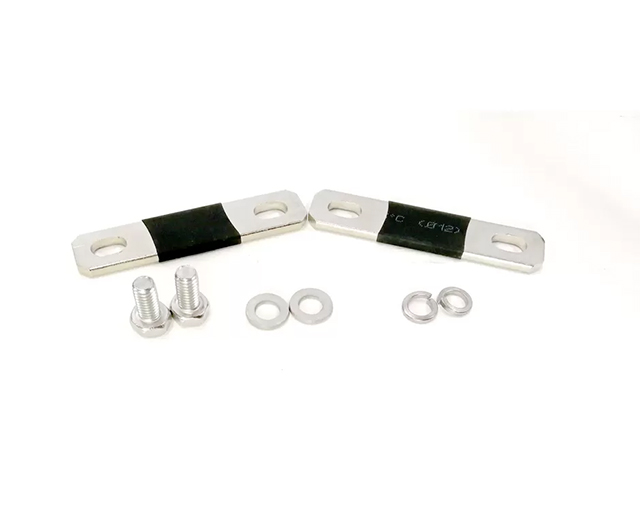
고품질 배터리 버스바는 탁월한 전기 전도성을 나타냅니다. 구리 버스바는 일반적으로 다음과 같은 특성을 지닙니다. 100% IAC(국제 어닐링 구리 표준) 전도도, 저항률은 20°C에서 1.724 μΩ·cm알루미늄 대체재는 약간 더 낮은 전도성을 제공합니다. 61% iacs하지만 무게는 상당히 줄었습니다.
버스바의 전류 용량은 단면적과 재질에 따라 달라집니다. 표준 10mm × 3mm 구리 버스바 안전하게 휴대할 수 있습니다 150-200a 연속단기적으로 최대 급증에 대비할 수 있는 용량을 갖추고 있습니다. 300암페어에서 30초 동안적절한 크기 선택은 과열을 방지하는 데 매우 중요하며, 온도 상승은 일반적으로 제한됩니다. 주변 온도보다 30°C 높음 최대 부하 상태에서.
버스바는 발생되는 열을 효과적으로 방출해야 합니다. i²r 손실구리의 열전도율 401 w/(m·k) 알루미늄보다 성능이 뛰어납니다. 237 w/(m·k)하지만 두 재료 모두 인클로저 설계에서 적절한 간격과 환기가 필요합니다. 고급 설계에는 다음과 같은 요소가 포함될 수 있습니다. 열화상 마커 손쉬운 모니터링을 위해.
버스바의 기계적 강도는 진동 저항에 매우 중요합니다. 구리 버스바는 일반적으로 다음과 같은 특성을 가지고 있습니다. 인장 강도 200-250 MPa반면 알루미늄 합금은 다음과 같은 범위에 걸쳐 있습니다. 110-310 MPa 온도에 따라 연결에 필요한 적정 토크 사양은 다음과 같습니다. 5-25 nm 볼트의 크기와 재질에 따라 다릅니다.
표면 처리는 내구성을 크게 향상시킵니다. 일반적인 처리 방법에는 다음과 같은 것들이 있습니다. 주석 도금(두께 5-10μm)은도금3-8μm) 또는 알루미늄의 경우 양극 산화 처리. 이러한 처리는 접촉 저항을 이하로 유지합니다. 50μΩ 그 후에도 1000회 이상의 열 순환.
최신 전기차 배터리 팩은 수백 개의 리튬 이온 셀을 연결하기 위해 버스 바를 사용합니다. 예를 들어 테슬라 모델 S의 배터리 모듈은 버스 바를 사용합니다. 두께 0.8mm, 폭 25mm의 구리 버스바 레이저 용접 연결부를 통해 다양한 상황에 대처할 수 있습니다. 최대 전류 1000암페어낮은 저항(<0.1mΩ per connection) is critical for maximizing range.
grid-scale battery installations rely on bus bars for their scalability and reliability. a 1mwh containerized ess might use 50mm × 10mm aluminum bus bars to interconnect battery racks, reducing voltage drop to <0.5% across the entire system while withstanding 6000+ charge/discharge cycles.
uninterruptible power supplies for data centers employ bus bars rated for 500-5000a continuous operation. these often feature modular designs with ip65-rated insulation and may include integrated hall-effect current sensors for real-time monitoring.
solar-plus-storage installations use bus bars to combine power from multiple sources. specialized designs accommodate 1500vdc systems with creepage distances exceeding 25mm to prevent arcing in humid conditions.
weight-sensitive applications favor aluminum bus bars with 63% weight reduction versus copper. aerospace-grade versions meet mil-dtl-38999 specifications for vibration resistance, surviving 10-2000hz random vibration profiles at 0.04g²/hz.
implement a quarterly inspection protocol checking for:
visual signs of oxidation (green patina on copper, white powder on aluminum)
thermal discoloration indicating hot spots (use infrared thermography at 30-100μm spectral range)
torque verification using calibrated tools (re-torque to ±10% of spec after first 100 hours)
for contaminated connections:
de-energize the system completely
use non-abrasive fiber brushes (0.1mm bristles) with isopropyl alcohol (99.9% purity)
apply no-ox-id a-special or equivalent antioxidant compound (0.1mm coating thickness)
perform annual micro-ohm measurements:
use a 4-wire kelvin measurement at 10a test current
compare to baseline readings - replace if resistance increases by >20%
document results with ambient temperature compensation (0.4%/°c for copper)
ensure proper cooling:
maintain ≥10mm air gaps between parallel bus bars
clean ventilation paths to limit temperature rise to <40°c above ambient
for forced air systems, verify 2-5 m/s airflow velocity across surfaces
in harsh environments:
apply conformal coating (50-100μm) to non-contact surfaces
for marine use, specify cuni90/10 alloy bus bars with >5000 hours salt spray resistance
install humidity indicators (30-60% rh range) in enclosures
note: always follow manufacturer-specific maintenance guidelines, as proprietary designs may have unique requirements. for example, some lithium-ion battery systems specify torque-to-yield fastener procedures that shouldn't be re-torqued.