


 English

블로그

2026-03-20 13:24:32
고성능 배터리 팩 커넥터는 현대 에너지 저장 및 전력 공급 시스템에서 매우 중요한 구성 요소입니다. 이 커넥터는 배터리 셀, 모듈 또는 팩 간의 효율적이고 안정적이며 안전한 전기 연결을 보장하도록 설계되었습니다. 전기 자동차(EV), 신재생 에너지 저장 장치, 산업 장비 및 가전 제품에서 중요한 역할을 합니다. 이 글에서는 고성능 배터리 팩 커넥터의 주요 특징, 적용 분야 및 유지 관리 방법에 대해 살펴봅니다.
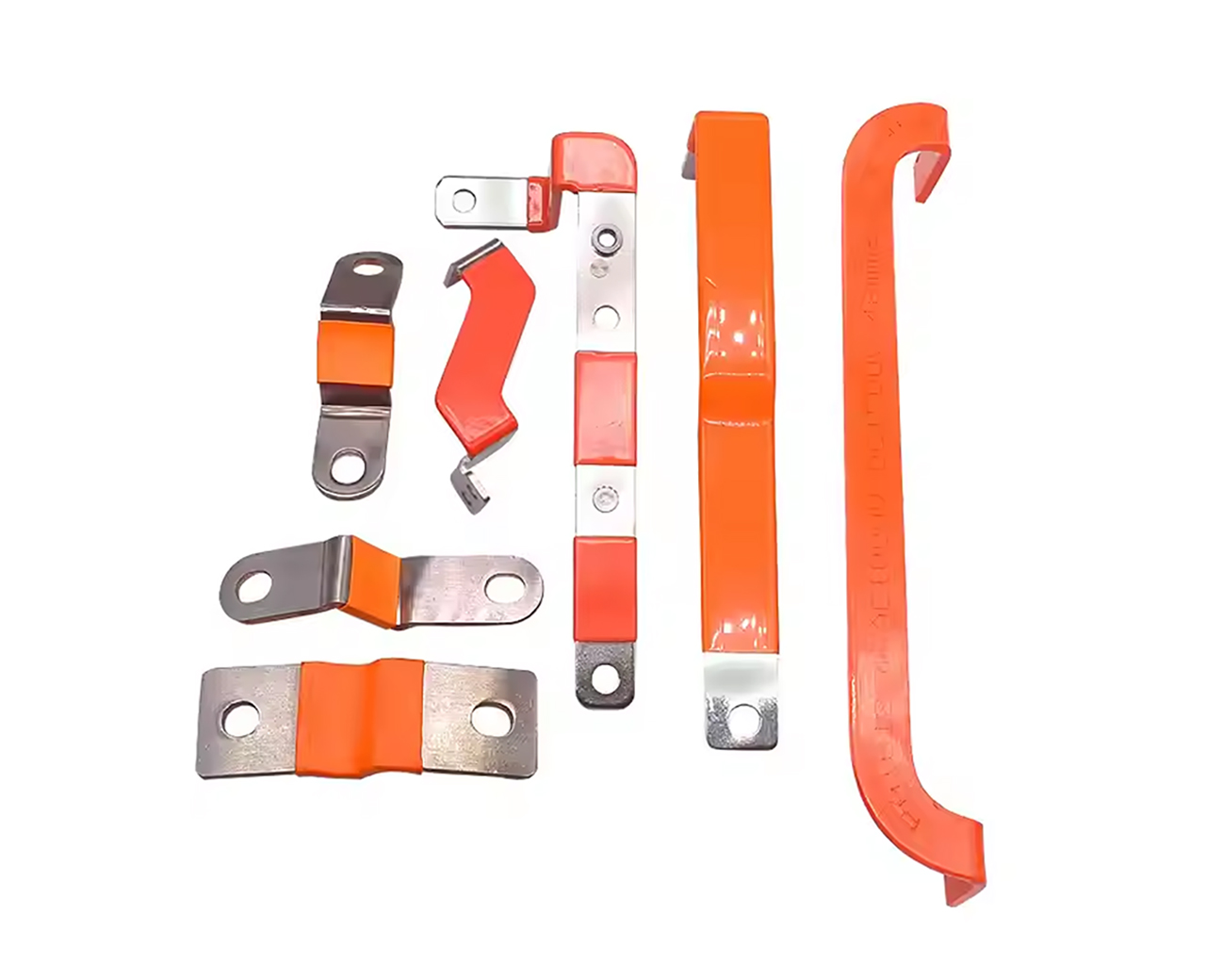
고성능 커넥터는 일반적으로 ~에 이르는 상당한 전류 부하를 처리하도록 설계되었습니다. 50a ~ 600a일부 특수 모델은 최대 까지 지원합니다. 1000a이렇게 하면 전력 손실이 최소화됩니다.<1% voltage drop) during transmission, making them ideal for high-power applications like evs and grid storage.
premium connectors feature contact resistances as low as 0.1mΩ to 0.5mΩ, reducing energy dissipation and heat generation. materials like beryllium copper or silver-plated contacts are often used to achieve this performance.
these connectors operate reliably in extreme temperatures, typically from -40°c to +125°c, with some variants rated up to 150°c. high-temperature thermoplastics or ceramic insulators are employed to maintain structural integrity.
designed to withstand vibrations up to 20g (10-2000hz) and mechanical shocks of 50g (11ms duration), these connectors ensure stable connections in mobile applications like electric vehicles and aerospace systems.
most high-end models feature ip67 or ip68 ratings, providing complete protection against dust ingress and temporary (ip67) or prolonged (ip68) immersion in water up to 1-3 meters.
advanced latching systems allow for secure connections with mating cycles exceeding 500-1000 insertions, while maintaining contact stability. some designs incorporate hvil (high voltage interlock loop) safety features.
in ev battery packs, these connectors link hundreds of cells in series/parallel configurations. they must handle 400v-800v systems while withstanding constant vibration and thermal cycling. tesla's battery packs, for instance, use custom-designed connectors capable of 600a continuous current.
grid-scale battery installations rely on these connectors for module-to-module connections in 1mwh+ systems. their low resistance is crucial for maintaining round-trip efficiency above 95% in lithium-ion battery banks.
heavy machinery, such as electric forklifts or mining equipment, uses ruggedized connectors rated for 1000a+ and 1000v, often with additional shielding against electromagnetic interference (emi).
in aircraft and spacecraft battery systems, connectors must meet mil-dtl-38999 specifications, combining lightweight construction (aluminum alloys) with the ability to function in vacuum conditions and extreme g-forces.
high-end power tools and drones utilize miniaturized versions of these connectors, handling 20-50a in packages as small as 10mm × 5mm, with gold-plated contacts for enhanced durability.
perform visual checks every 500 operating hours or 6 months (whichever comes first) for:
contact erosion (should not exceed 10% of plating thickness)
insulation cracks or discoloration (indicates overheating)
corrosion, especially in high-humidity environments
use isopropyl alcohol (99% purity) and lint-free wipes for contact cleaning. for heavy oxidation, employ specialized contact cleaners with <0.1% non-volatile residue. never use abrasive materials that could damage plating.
bolted connections should be checked with a calibrated torque wrench per manufacturer specs (typically 0.5-5 nm for most battery connectors). under-torquing increases resistance; over-torquing may deform contacts.
infrared thermography should show temperature differentials <5°c between identical connectors under load. any hotspot exceeding 10°c above ambient indicates potential failure.
when not in use, store connectors in 20-25°c, 40-60% rh environments with anti-corrosion vapor barriers. silica gel packets help maintain dry conditions.
replace connectors when:
contact resistance increases by >20% from baseline
visible wear exceeds 30% of contact area
insulation resistance drops below 100mΩ (per iec 60664-1)
high-performance battery pack connectors represent a critical nexus between energy storage and power delivery across industries. their evolving designs continue to push boundaries in current density, durability, and miniaturization, enabling next-generation electrification solutions. proper maintenance ensures they meet their rated 10,000-50,000 cycle lifespan while maintaining safety and efficiency.