


 English

유연한 구리 버스바
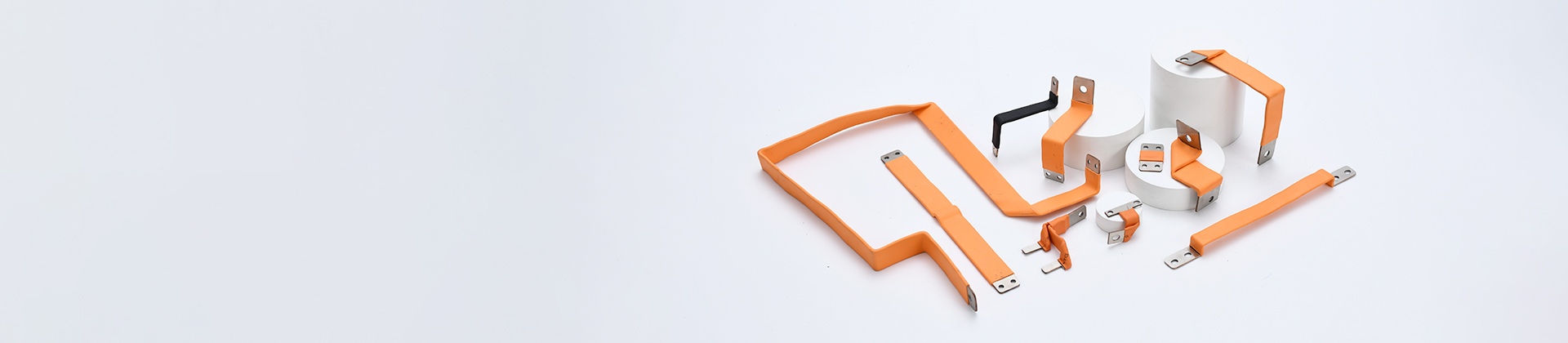
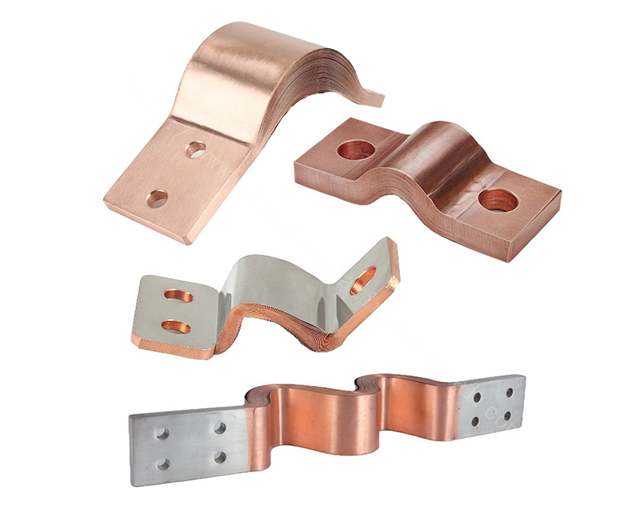
적층 구리 버스바는 소형의 유연한 시스템에서 고성능 전력 분배를 위해 설계된 첨단 전기 도체입니다. 적층형 유연 버스바 또는 적층형 구리 버스바라고도 불리는 이 부품은 여러 개의 얇은 구리층(두께 0.1mm~0.5mm)을 고품질 절연 재료로 접합하여 구성됩니다. 이러한 독특한 적층 구조는 구리의 뛰어난 전기 전도성(20°C에서 약 58ms/m)과 탁월한 기계적 유연성을 결합하여 버스바 두께의 10배에 달하는 굽힘 반경에서도 손상 없이 사용할 수 있도록 합니다.
적층형 버스바는 전기 자동차, 신재생 에너지 시스템, 데이터 센터, 항공우주 및 산업용 전력 분배와 같이 공간, 무게 및 효율성이 중요한 응용 분야에서 널리 사용됩니다.
구리 버스바는 회로 전체에 전력을 효율적으로 분배하는 핵심 전기 부품입니다. 기존의 원형 도체와 비교했을 때, 구리 적층 버스바는 다음과 같은 특징을 가지고 있습니다.
최대 10A/mm²의 전류 밀도로 더 높은 전류 용량(100A~5000A)을 지원합니다.
낮은 전압 강하와 최소한의 저항 손실을 유지합니다.
좁은 공간과 역동적인 환경에서의 기계적 유연성을 향상시킵니다.
기존의 강성 버스바에 비해 최대 70%까지 무게를 줄일 수 있습니다.
정상 작동 중 온도 상승을 50°C 미만으로 유지하여 향상된 열 관리 기능을 제공합니다.
이러한 특징 덕분에 적층형 유연 버스바는 소형, 고전류 및 경량 솔루션이 필요한 최신 전기 시스템에 가장 적합한 선택입니다.
버스바 적층 공정은 여러 가지 정밀한 제조 단계를 포함합니다.
동박 적층: 얇은 동박을 여러 겹으로 쌓아 열과 압력을 가해 적층하여 다층 시트를 만듭니다.
절연 접합: 전기적 절연을 보장하고 단락을 방지하기 위해 절연 재료로 층들을 분리합니다.
절단 및 성형: 적층 시트는 유연성을 최적화한 벤딩 및 성형 기술을 사용하여 절단 및 성형되어 버스바 형태로 만들어집니다.
표면 처리: 가장자리와 단자는 부식 방지 및 납땜성을 향상시키기 위해 주석 또는 은으로 도금되는 경우가 많습니다.
시험 및 품질 관리: 각 버스바는 전도율 시험, 절연 저항 검사, 굴곡 내구성 시험 및 열 성능 평가를 거칩니다.
이 엄격한 공정을 통해 산업, 자동차 및 항공우주 분야에 적합한 고품질 전기 구리 버스바를 보장합니다.
유연한 적층형 버스바는 다양한 용도로 사용됩니다.
전기 자동차(EV) 및 하이브리드 시스템: 초저접촉 저항으로 배터리 모듈 연결<10 μΩ), reducing heat and losses.
renewable energy systems: used in solar inverters and dc connections up to 1000v, reducing emi by 20–30 db.
industrial power distribution: switchgear and motor control centers requiring short-circuit ratings up to 100ka.
aerospace & defense: lightweight and shock-resistant busbars for avionics and defense systems.
data centers: high-current 48v dc busways for minimal voltage drop and high efficiency.
electrical conductivity: ≥98% iacs, resistivity 1.724 μΩ·cm at 20°c.
current capacity: 2–3× more than equivalent round conductors.
mechanical flexibility: over 100,000 flex cycles at minimum bending radius with <5% resistance increase.
voltage rating: typically 600v–1000v systems, insulation resistance >1000 mΩ.
thermal performance: heat dissipation up to 1.5 w/cm², maintaining safe operating temperatures.
corrosion resistance: tin or silver plating on contact areas.
emi reduction: laminated layers reduce electromagnetic interference in sensitive applications.
weight reduction: up to 70% lighter than rigid copper busbars of equivalent capacity.
g and n fortune limited is a leading copper laminated busbar manufacturer, offering:
tailored solutions: custom sizes, layer counts, and insulation materials.
advanced manufacturing: precision lamination and forming for consistent quality.
comprehensive testing: electrical, mechanical, and thermal performance guaranteed.
global compliance: ul, ce, rohs, mil-std certified products.
industry expertise: supplying ev, renewable energy, aerospace, data center, and industrial sectors.
technical support: dedicated engineering assistance for design optimization and troubleshooting.
q1: what are laminated busbars?
a1: laminated busbars are multi-layered copper conductors separated by insulating materials, designed for flexible, compact, and high-current applications.
q2: 구리 버스바의 용도는 무엇입니까?
a2: to efficiently distribute electrical power across circuits while minimizing losses, improving thermal management, and reducing system weight.
q3: what is the best material for a busbar?
a3: high-conductivity copper (≥98% iacs) is preferred due to its low resistivity, excellent thermal performance, and mechanical strength.
q4: how flexible are laminated busbars?
a4: they can endure over 100,000 flex cycles at a minimum bending radius of 10× thickness without significant resistance increase.
q5: what current capacities can laminated flexible busbars handle?
a5: from 100a up to 5000a, with current densities reaching 10a/mm², outperforming equivalent round conductors.
q6: are these busbars suitable for ev battery packs?
a6: yes, they are widely used in electric vehicles and hybrid systems for low-resistance battery interconnections.
q7: what materials and coatings are used?
a7: copper layers laminated with insulating materials; terminals are tin or silver plated for corrosion resistance.